
Lit Fest features intensive workshops for experienced writers of novels, poetry, short stories, memoir, essays, narrative nonfiction, and hybrid genres. Advanced workshops have applications for each class on Submittable (fiction, nonfiction, and poetry).
The priority deadline for the Advanced Workshops was March 9. If you'd like to be considered for any late openings or our waitlist, apply here.
Still have questions? Check out our FAQs or send us an email at [email protected].
Tuition
Tuition for the weeklong advanced workshops at Lit Fest ($1,350/$1,520 member/nonmember) includes an orientation before class starts, five workshop sessions, a one-on-one meeting with the instructor, continental breakfast and coffee on workshop days, all lunchtime business panels, all four Visiting Authors Readings, tickets to the opening and closing parties, and discounted rates at local hotels.
Tuition for the weekend advanced workshops ($910/$1,080 member/nonmember) includes two workshop sessions, breakfast and coffee on workshop days, all lunchtime business panels, all four Visiting Authors Readings, a ticket to the opening and closing parties, and discounted lodging at local hotels.
Payment Plans: Payment plans are available for all advanced weeklong or weekend enrollments, as well as passes. At this time, we're unable to offer tuition assistance for advanced weeklong or weekend workshops at Lit Fest (see information on fellowships below), though we do have tuition assistance available for the other offerings at Lit Fest.
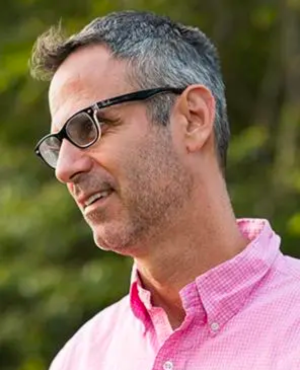
Advanced Weeklong Fiction Workshop: The BS Detector with Steve Almond
June 15–19, 9:00 to 11:30 AM MDT
Writing is decision making, nothing more and nothing less. What word? Where to place the comma? How to shape the paragraph? Join Steve Almond for a workshop focused on improving the decisions you make in your writing. By looking critically and carefully at other people’s work, you’ll walk away with a better sense of how to improve your own. The idea is not to slow your rate of composition via compulsive revision, but to instead make better decisions in the first place and to recognize quickly when you haven’t.
Accepted participants will submit 4,000 words or fewer by Monday, May 18, and will have the opportunity to meet one-on-one with Steve during the week of class.
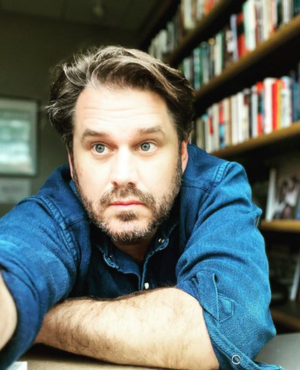
Advanced Structure Lab: Break The Story Free with Dean Bakopoulos
June 15–19, 1:30 to 3:30 PM MDT
In this seminar designed for screenwriters and prose writers of all levels, we’ll use dramatic structure to help us get unstuck. Bring along a draft that’s failing or an idea that’s not finding a form, and we’ll explore the intricacies and opportunities of narrative structure. Over the course of this week, we’ll utilize a four-part system Bakopoulos developed while writing television pilot scripts (but that YOU can apply to any form of narrative writing—short stories, memoirs, novels, screenplays, TV scripts, plays etc.) to move past any literary obstructions you’re battling.
While no system is a magic potion that can take away the agonies of creation, this character-based approach to structure allows you to rethink the possibilities of your project. We'll discuss characters and their journeys towards liberation, as well as the notion of dramatic escalation, the tension between exposition and plot, the construction of compelling scenes, and the importance of unexpected dialogue and minor characters. We’ll watch scenes from great television pilot episodes and feature films as examples to illustrate these principles; we’ll also read a few passages of prose.
We’ll take part in at least one generative exercise per session; by the fifth day of the course, you will have a shiny new four-part outline that will help you successfully revise, or finally draft, a stuck project.
*Dean's weeklong seminar is two hours each day and does not include one-on-one meetings. The tuition is also adjusted (down) from the typical weeklong workshop.
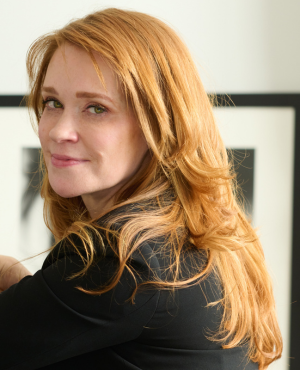
Advanced Weeklong Nonfiction Workshop: Mapping the Memoir with Emily Rapp Black
June 15–19, 9:00 to 11:30 AM MDT
Art is architecture; art is artificial; art is...? The biggest challenge for any writer of narrative is finding the map from beginning to end. This workshop is designed for writers working on book-length memoirs who wish to delve more deeply into the issues of structure, style, and voice: these three craft points will be our focus, as they make up the net that holds a narrative together in a propulsive, engaging, immersive, and beautiful way. The goal of this workshop is to take your completed manuscript to the next level. We'll also discuss different avenues of publication.
Accepted participants will submit 5,000 words or fewer by Monday, May 18, and will have the opportunity to meet one-on-one with Emily during the week of class.
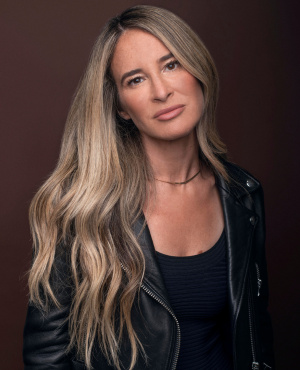
Advanced Weekend Fiction Workshop: Using Image with Melissa Broder
June 13—14, 1:30 to 5:00 PM MDT
This immersive workshop invites writers of all levels to explore the vibrant intersection of visual art and the written word. Ekphrastic writing, poetry, or prose is directly inspired by works of art, and it offers a powerful way to deepen perception, escape the linear mind during drafting, and evolve originality and surprise in one’s artistic voice. Through guided in-class exercises and prompts, we’ll explore visual ekphrasis, as well as experimental forms of audio and somatic ekphrasis. Participants will receive first-blush feedback on their work, and opportunities to share will be available to those who would like to do so.
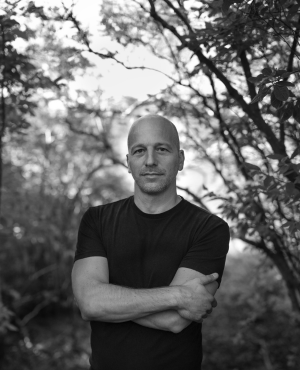
Advanced Weeklong Fiction Workshop: Who's Telling Your Story? with Christopher Castellani
June 15–19, 9:00 to 11:30 AM MDT
The most important decision a writer makes is who tells their story. In this workshop, we will examine each other's manuscripts primarily through the lens of point of view and by using the concept of narrative strategy, but we will also take each manuscript as a whole and discuss how all the craft elements are working together. The primary question we will ask is, "how can the manuscript be a stronger, deeper version of itself?" This workshop is open to short story writers and novelists with stand-alone excerpts.
Accepted participants will submit 5,000 words or fewer by Monday, May 18, and will have the opportunity to meet one-on-one with Chris during the week of class.
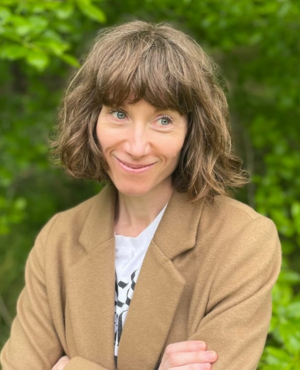
Advanced Weekend Hybrid Workshop: Games Writers Play with Heather Christle
June 13–14, 8:30 AM to 12:00 PM MDT
Engaging in play strengthens our linguistic abilities and our capacity to imagine other ways to move through a day (or a life), but also through a project. This workshop will bring people together to play with language as a group and as individuals. We will work to lift ourselves and each other out of ruts worn into our minds. We will pick up strings of words and ask "What would happen if we took this in a different direction?" We will surprise and be surprised in turn.
Through games and other playful writing exercises, you will generate language that you can spark new work or reinvigorate work in progress. In some cases you may create an entire poem during the workshop itself. The games and exercises are designed to delight and to be shared widely. You can play them later with friends when you (or they) need to connect with a wildness within.
It is probably going to be weird and it is almost certainly going to be fun.
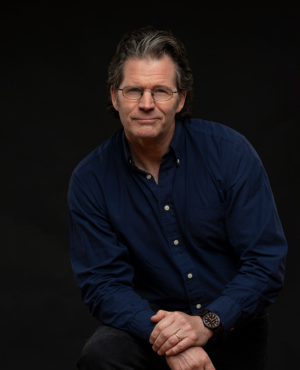
Advanced Weeklong Nonfiction Workshop: Excavation with Andre Dubus III
June 15–19, 9:00 to 11:30 AM MDT
We’ll begin with a difficult task: do not outline your novel or novella or short story or essay or memoir. Do not think out the plot, the narrative arc, the protagonist’s journey, whatever you want to call it. Instead, try to find the story through an honest excavation of the characters’ total experience of the situation in which they find themselves. Do that, and the story will begin to write itself.
But how, precisely, does one go about this “excavation”? And how, technically speaking, can we ignite a story into “writing itself”? Come to this workshop, and we’ll demystify those writerly tools and skills that, time and time again, if they are sharp enough, and if the writer can summon enough daily faith and nerve, can penetrate the mystery of story itself.
Fiction, as well as creative nonfiction is welcome. We will be doing in-class writing exercises and workshopping each participant’s submission.
Accepted participants will submit 5,000 words or fewer by Monday, May 18, and will have the opportunity to meet one-on-one with Andre during the week of class.
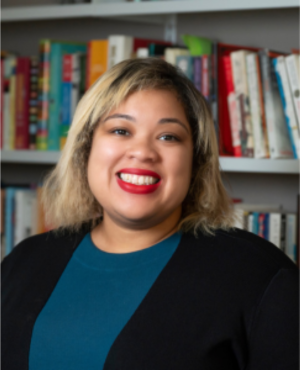
Advanced Weeklong Fiction Workshop: Finding the Subterranean Story with Danielle Evans
June 15–19, 9:00 to 11:30 AM MDT
Often, the process of drafting fiction is one of uncovering: What is it we actually mean to be writing about, and how can we bring that thread to the surface in revision? At the same time, one of the great pleasures of reading is the consideration of suggestions or questions that remain just beneath the surface of the text.
In this workshop, we'll consider the “layers” of a story, and we’ll explore how some of those subterranean layers can guide us toward structures and narrative arcs that serve the project. We'll negotiate the balance between what works best when said directly and what works best when it’s left to be discovered by the reader. Each workshop will open with discussion of a published short story and a brief responsive writing exercise; then we’ll move to an in-depth discussion of work submitted by participants.
Accepted participants will submit 5,000 words or fewer by Monday, May 18, and will have the opportunity to meet one-on-one with Danielle during the week of class.
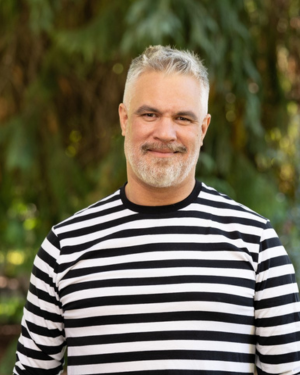
Advanced Weeklong Fiction Workshop: Intimate Distance with Mat Johnson
June 15–19, 9:00 to 11:30 AM MDT
Novels are long, often unruly, and inherently ambitious projects that require the writer to be both intimate with and distant from the text. It's easy to type a bunch of pages, but it’s hard to make them captivate the reader and ensure that the journey adds up to more than the sum of its parts. This course will explore the tools needed to bring your novel-length manuscript to life in its strongest form.
Your novel has strengths: we'll explore how you can build on them. Your novel has weaknesses: we'll identify them and create strategies for you to overcome them. Together, we'll reveal what your novel is actually about, as opposed to what you planned for it to be. We’ll examine its hidden structures, and we’ll enable your characters and their struggles to come alive on the page.
Accepted participants will submit 5,000 words or fewer by Monday, May 18, and will have the opportunity to meet one-on-one with Mat during the week of class.
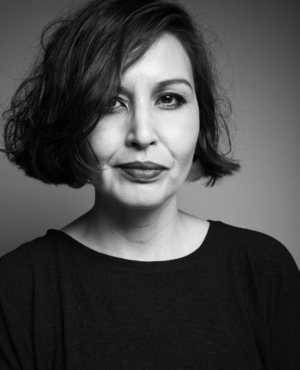
Advanced Weekend Poetry Workshop: Freedom Before the Revolt with Layli Long Soldier
June 13—14, 1:30 to 5:00 PM MDT
Poems have their own lives and their own minds, it seems. At some point, even with our best intentions, we may encounter resistance from the poem. Or worse, the poem may revolt and fall apart. So perhaps, the poem is like a young adult: It wants to say something and needs the freedom to do so. For this to happen, we as poets must set aside our expectations and predeterminations of what a poem “should be.” Perhaps we need to get out of the way and let the young poem find itself, its shape, its own life. This is to say, we mustn’t be afraid to let the poem try things and fail. We must encourage its curiosity and courage.
This workshop will be a time to just “see what happens” when we get out of the way and try different processes to determine the poem’s desires. We’ll set aside our ideas about right and wrong. Instead, we’ll ask, what happens when we completely alter the punctuation? What happens with short lines versus no line breaks at all? What happens when the text sprawls across the page freely or sings from a cozy corner? We will embrace missteps as part of the process, all in pursuit of the question, What does the poem want?
Participants will need a notebook dedicated as a “thinking journal” to write in and outside of class, a computer, and an open mind to listen sensitively and judgment-free to our young poems.
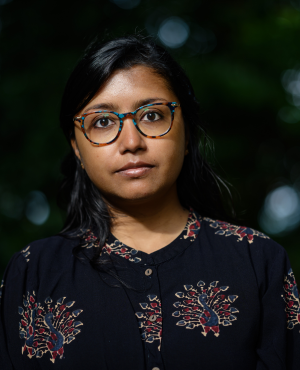
Advanced Weekend Fiction Workshop: Narrative Movement with Megha Majumdar
June 13—14, 8:30 AM to 12:00 PM MDT
How does a story move? What constitutes successful movement, and what can we learn from moments where the story fails to achieve its own goals? With particular attention to plot, structure, character evolution, and logic, we’ll use this critique-based workshop to examine these questions as they pertain to participants' short stories or excerpts from longer work. We’ll begin workshop by having each participant read aloud one sentence from their work, to remind us of the spell of their fiction, and then we will discuss what we found to be persuasive, and what we found to be less so, with the aim of offering a path forward for revision.
Accepted participants will submit 2,000 words or fewer by May 15.
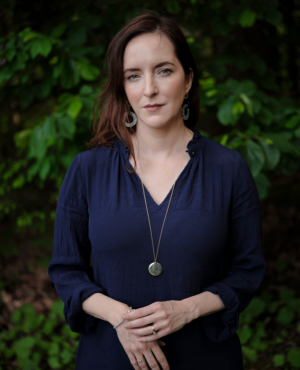
Advanced Weeklong Fiction Workshop: Starting, or Starting Over with Rebecca Makkai
June 15–19, 9:00 to 11:30 AM MDT
In this generative workshop, we’ll either begin brand new pieces, or we’ll begin a brand new version of an old piece. In either case, we’ll use our clean slates to find startling originality, optimal angles of approach, and the energies that will carry a story or novel through to the end. We’ll write both in class and outside of class, and we’ll (voluntarily) share what we’ve written. In the last two days of class, we’ll squeeze in mini-workshops on everyone’s opening page. Accepted participants do not need to come in with an idea of what to write, although they may.
Accepted participants will have the opportunity to meet one-on-one with Rebecca during the week of class.
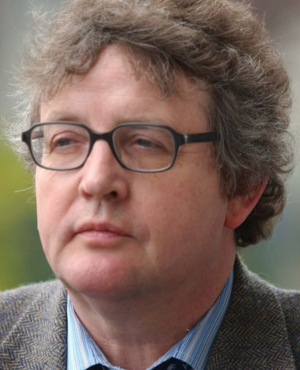
Advanced Weeklong Poetry Workshop: Draft Exclusion with Paul Muldoon
June 15–19, 9:00 to 11:30 AM MDT
The popular image of the poet is as a dasher off of poem drafts. So manic and mercurial are poets’ imaginations that not even champion typists can keep abreast of them. If there’s a problem, it’s something to which they can return in a quiet moment way down the road. The focus of this week will be to set ourselves against this popular image, to make every moment a quiet moment, to fix problems as they arise, to revise even as the poem’s vision for itself is slowly coming into being and, in the end, to cut down on a lot of unnecessary work. The key to this approach is to write the poem one line at a time, to allow one idea to lead to another, and to avoid getting ahead of ourselves. When we implement this approach, the poem is now, paradoxically, more likely to bring us to a place of genuine immediacy and vitality which had hitherto been illusory.
Accepted participants will submit 3 poems or fewer by Monday, May 18, and will have the opportunity to meet one-on-one with Paul during the week of class. Participants will create 2 new poems by the end of the week.
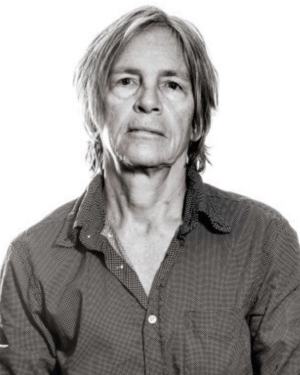
No Genre/All Genre Generative Lab with Eileen Myles
June 15–19, 9:00 to 11:30 AM MDT
In this weeklong seminar, poets, fiction writers, and memoirists (and even non-writers) will re-consider and even de-rail their works in progress (or write new ones) informed by some new approaches, formal constraints, good talk, and engagement with other art forms. We’ll write at least four pieces this week, taking cues from the history of poetry and prose, music, photos, and film, and we will effectively banish the lines that separate these forms of expression in order to instill our own work with the real breadth of this postmodern world. Bring a song, a problem (aesthetic or personal), or at least one significant photo, stuffed animal, flyer, something—a piece of real or artificial fruit. The goal is to create a live working environment, a studio effect, in order to generate more work and to get reinstalled or re-awakened in our writing process.
*Since this is a generative class and can accommodate a few more people, Eileen cannot meet one-on-one with each participant, but they tend to be around Lit Fest and there are ample opportunities for additional talks.
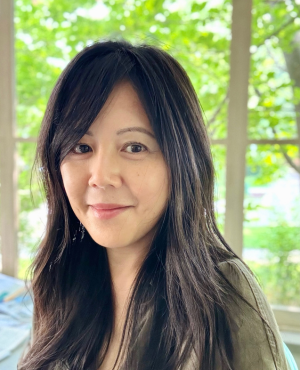
Advanced Weeklong Nonfiction Workshop: Find Your Focus with Beth Nguyen
June 15–19, 9:00 to 11:30 AM MDT
Maybe you’ve been wanting to try writing creative nonfiction. Maybe you have been writing it but are feeling a little bit stuck. Maybe you’re restless, curious. Maybe you’re wondering how to create a cohesive work out of a lifetime of material. Where to start? How to shape it? This generative workshop is geared toward inspiration, starts and restarts, and rethinking nonfiction, at any level. Whether you’re interested in memoir, essays, memoir-in-essays, or anything in between, you’ll find guidance, support, writing prompts, and discussion aimed at helping you figure out your writing process. We’ll talk about ideas, structure, perspective, ethical concerns (how do we know what we should write? how do we write about other people?), and more. This workshop is all about gaining greater focus and understanding as we generate work and ideas in a fun and supportive environment.
Accepted participants will have the opportunity to meet one-on-one with Beth during the week of class.
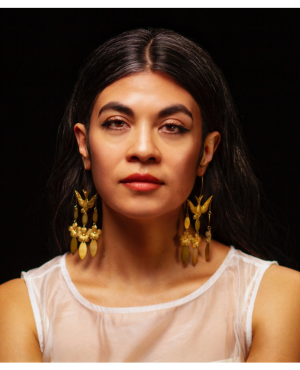
Advanced Weekend Nonfiction Workshop: Truth in Nonfiction with Ingrid Rojas Contreras
June 13–14, 1:30 to 5:00 PM MDT
This workshop is for all writers working in nonfiction, established or otherwise. The rigors of nonfiction lie in telling the truth, fact-checking the truth, and working with material evidence. The factually accurate in nonfiction is of utmost importance—but how do we write the factually accurate when facts can be slippery? How, and what, do we write when the history of a people hasn’t been kept, or has actively been erased? How can we acknowledge the murk and the inexact quality of memory on the page?
In this workshop, we’ll use Michael Taussig’s important summation of the work of anthropology—the “subject is not the truth of being but the social being of truth”— to help guide us through the lenses available in nonfiction. We’ll read some nonfiction that widens the scope of the genre, utilizes different lenses, and we’ll write in class using prompts inspired by our readings. Students will also workshop a piece. This class is for nonfiction work only.
Accepted participants will submit 4,000 words or fewer by May 15.
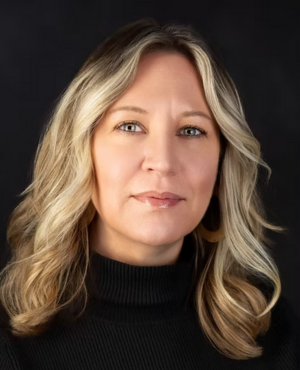
Advanced Weeklong Nonfiction Workshop: Shadow Narratives with Rachel Louise Snyder
June 15–19, 9:00 to 11:30 AM MDT
Behind every piece of narrative nonfiction there exists a dual narrative. This partnership of story with meaning is often the blend that provides memoir, personal essay, and narrative nonfiction pieces with both tension and emotional consequence. There is the story as it exists on the page, and then there is the shadow narrative, whispering behind that story, trying to make sense of it. In this weeklong workshop, students will be asked to explore these dual narratives in their own work and in published works from contemporary practitioners such as Rachel Kaadzi Ghansah, Eula Biss, Richard McCann, and others. Particular attention will be paid to voice and point of view.
Accepted participants will submit 5,000 words or fewer by Monday, May 18, and will have the opportunity to meet one-on-one with Rachel during the week of class.
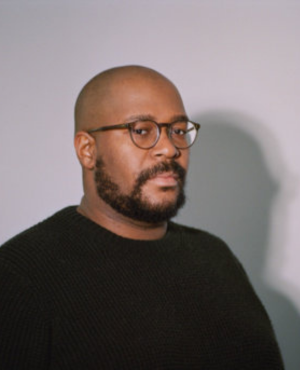
Advanced Weeklong Fiction Workshop: Situation and Event with Brandon Taylor
June 15–19, 9:00 to 11:30 AM MDT
In this weeklong workshop, we’ll explore the intimate relationship between situation and event in narrative using work submitted by participants. The goal is to gain a stronger understanding of and appreciation for the underlying or pre-existing dramatic context that gives meaning to plot, character actions, and even the structure of a piece. We’ll use this stronger understanding to develop a more thorough conceptualization of our work so that we can make exciting, unexpected, and more meaningful choices in our stories.
We’ll be working with the below definitions:
Situation: All of the facts that comprise the starting condition of a character’s life at the beginning of a given story, novel, scene, or act. We may understand situation as another word for circumstance raised to the level of dramatic action and intent.
Event: The event is the happening or the trigger shot of a given scene, story, or novel. There are capital E Events and little e events. But regardless, both kinds of events should be drawn out of the very bedrock of your narrative and dramatic situation.
Accepted participants will submit 5,000 words or fewer by Monday, May 18, and will have the opportunity to meet one-on-one with Brandon during the week of class.